In the whirlwind of modern life, it’s easy to get caught up in what’s missing – the next promotion, the perfect vacation, the flawless Instagram feed. But what if the key to genuine happiness and resilience wasn’t about acquiring more, but about appreciating what we already have? The power of gratitude is a surprisingly potent force, capable of reshaping our emotional landscape and profoundly impacting our overall wellbeing. Let’s explore how cultivating gratitude can strengthen your emotional resilience and bring a deeper sense of joy to your life.
Understanding the Science Behind Gratitude
Gratitude isn’t just a feel-good sentiment; it’s backed by a growing body of scientific research. Studies using fMRI technology have shown that expressing gratitude activates areas of the brain associated with reward and happiness, similar to the activation experienced when receiving a tangible gift. This suggests that gratitude triggers a neurochemical response, increasing levels of dopamine and serotonin – neurotransmitters known to regulate mood and promote feelings of well-being. Furthermore, research indicates that regularly practicing gratitude can actually rewire the brain, strengthening neural pathways associated with positive emotions and reducing activity in areas linked to negative emotions like anxiety and depression.
The effects are multifaceted. For example, a study published in the *Journal of Personality and Social Psychology* found that individuals who regularly practiced gratitude reported lower levels of stress, improved sleep quality, and increased self-esteem. It’s not simply about *thinking* positive thoughts; it’s about shifting your focus to the good things in your life, which in turn alters your perception and response to challenges. The cognitive reappraisal theory suggests that gratitude helps us reframe negative experiences, allowing us to learn from them and move forward with greater optimism.
How Gratitude Impacts Mental Health
The impact of gratitude on mental health is significant. For individuals struggling with depression, gratitude practices, such as gratitude journaling, have been shown to be a valuable adjunct to traditional treatments like therapy and medication. By intentionally focusing on positive aspects of their lives, even small ones, individuals can interrupt negative thought patterns and build a more resilient mindset. It’s important to note that gratitude isn’t a replacement for professional mental health care, but it can be a powerful tool for self-management and promoting overall wellbeing.
Specifically, gratitude can help mitigate symptoms of anxiety by reducing rumination – the tendency to dwell on negative thoughts and worries. When we’re grateful, our attention is drawn to the present moment and the things we appreciate, making it harder to get caught up in anxieties about the future or regrets about the past. A study conducted at the University of California, Davis, found that participants who engaged in gratitude interventions reported a significant decrease in anxiety symptoms compared to a control group. The mechanism appears to be linked to the regulation of the hypothalamic-pituitary-adrenal (HPA) axis, the body’s primary stress response system. Gratitude appears to help dampen this system, promoting a state of calm.
Practical Techniques for Cultivating Gratitude
So, how do you actually *do* gratitude? It’s not always easy, especially when you’re feeling overwhelmed or down. Here are some practical techniques you can incorporate into your daily routine:
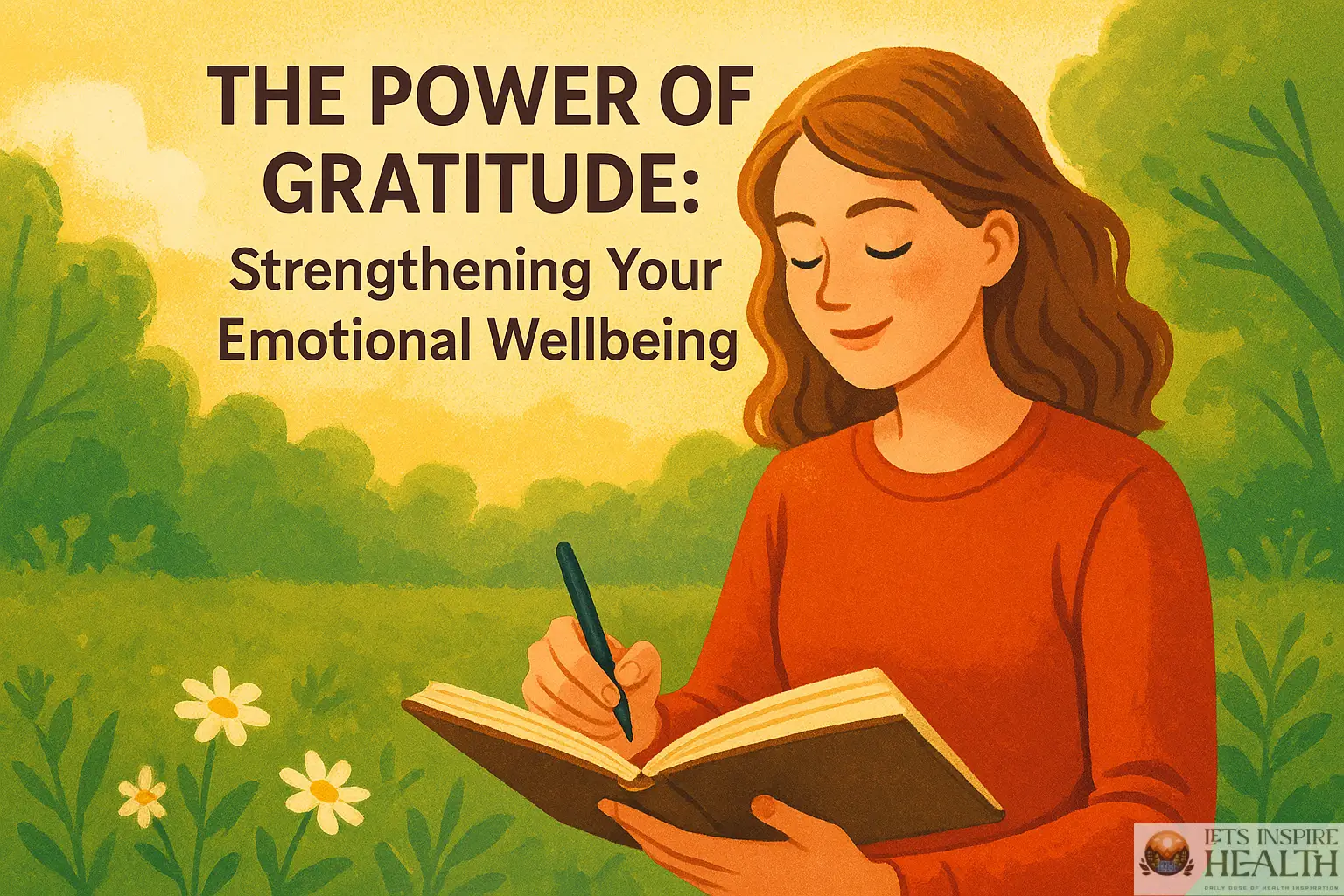
- Gratitude Journaling: This is perhaps the most common and effective method. Each day, take a few minutes to write down 3-5 things you’re grateful for. Be specific – instead of writing “I’m grateful for my family,” write “I’m grateful for the laughter I shared with my sister during dinner tonight.”
- Gratitude Meditation: There are many guided gratitude meditations available online. These meditations typically involve focusing on feelings of gratitude and visualizing the things you appreciate.
- Expressing Gratitude to Others: Make a conscious effort to tell people you appreciate them – a simple “thank you” can go a long way. Consider writing a thank-you note to someone who has made a positive impact on your life.
- Gratitude Jar: Throughout the day, write down things you’re grateful for on slips of paper and put them in a jar. At the end of the week or month, take out the slips and reflect on your gratitude.
- Savoring: When you experience something positive, take a moment to truly savor it. Pay attention to the details – the sights, sounds, smells, and feelings. This helps you to fully appreciate the experience and build a lasting sense of gratitude.
It’s crucial to remember that gratitude is a practice, not a destination. Some days you’ll find it easier than others. Don’t get discouraged if you miss a day or two – just pick up where you left off. The key is consistency.
Overcoming Challenges and Maintaining a Gratitude Practice
There will inevitably be times when it feels difficult to feel grateful. Life throws curveballs, and it’s natural to experience setbacks and challenges. During these times, it’s important to be patient with yourself and to remember that gratitude is about shifting your perspective, not about denying your pain or suffering.
One common challenge is focusing on what you *lack* rather than what you have. When you find yourself dwelling on what you don’t have, consciously redirect your attention to the things you *do* have. Another challenge is feeling that gratitude is “forced” or inauthentic. It’s important to allow yourself to feel your emotions fully – sadness, anger, frustration – before you move on to gratitude. Trying to suppress negative emotions can be counterproductive. Instead, try to find a silver lining, something to be grateful for within the challenging situation. For example, a job loss can be an opportunity for a new career path or a chance to pursue a long-held dream.
To maintain a consistent gratitude practice, it’s helpful to link it to existing habits. For example, you could start your day by writing down three things you’re grateful for while you’re drinking your morning coffee, or you could express gratitude to someone you encounter throughout the day. Small, consistent actions can make a big difference over time.
Summary
Cultivating gratitude is a powerful tool for strengthening your emotional wellbeing. By intentionally focusing on the good things in your life, you can rewire your brain, reduce stress and anxiety, and foster a greater sense of joy and resilience. Whether you choose to journal, meditate, express gratitude to others, or simply savor positive experiences, incorporating gratitude into your daily routine can have a profound impact on your overall happiness and wellbeing. Remember, gratitude is a practice – be patient with yourself, and enjoy the journey of discovering the abundance of good things already present in your life.
Disclaimer: This blog post is intended for informational purposes only and does not constitute medical advice. If you are struggling with mental health issues, please seek professional help from a qualified healthcare provider. This blog post does not replace the advice of a mental health professional. The information provided here is based on current research and understanding, but the field of mental health is constantly evolving.