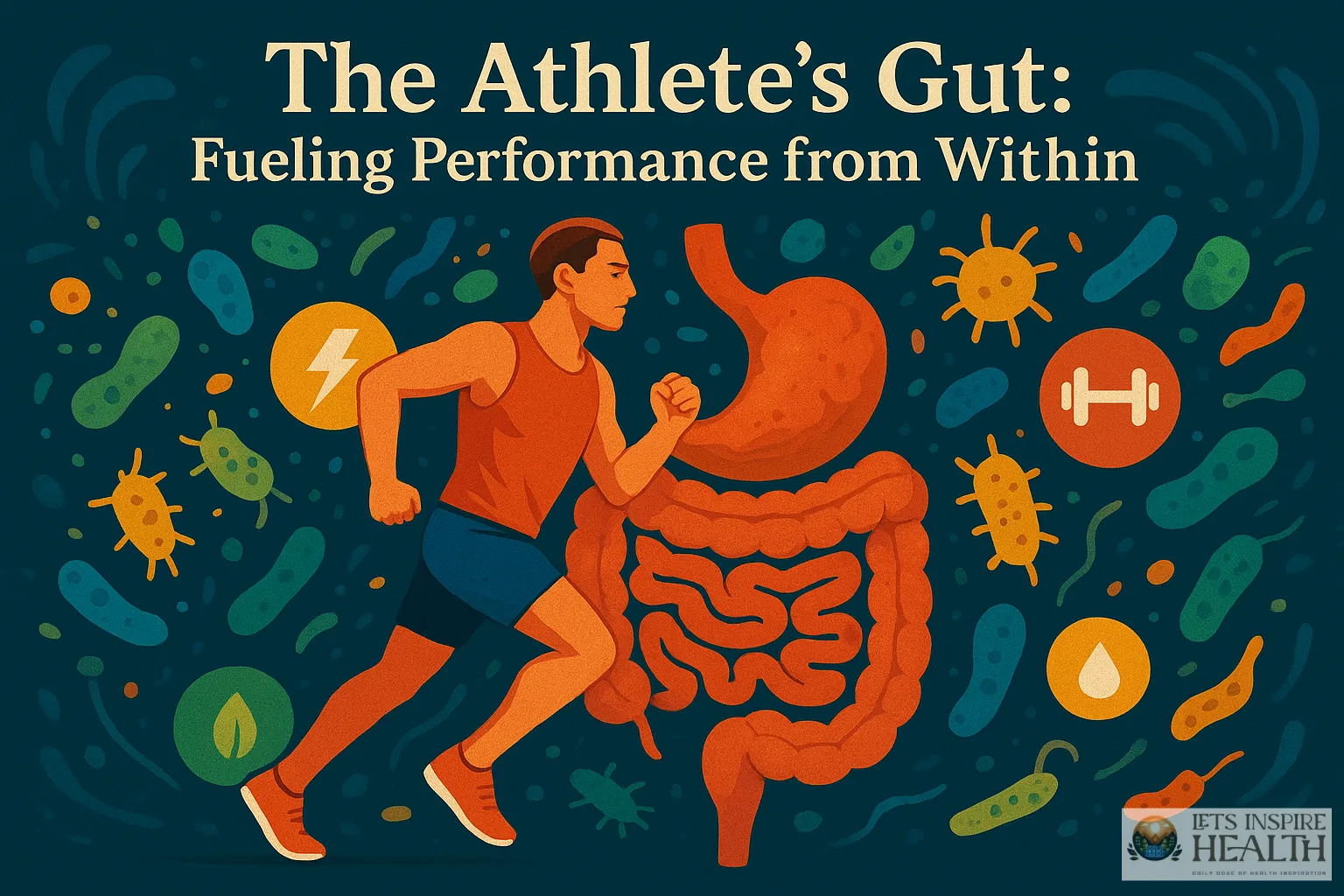
Ever wondered why some athletes consistently outperform others, even with similar training regimes? The answer often lies within – specifically, in the health and function of their gut. Your digestive system isn’t just a waste disposal unit; it’s a powerhouse influencing everything from energy levels and immune function to muscle recovery and mental clarity. In this guide, we’ll delve into the fascinating world of the athlete’s gut, exploring how to fuel performance from within. We’ll look at the science behind the gut-performance connection, practical dietary strategies, and the potential pitfalls to avoid. Get ready to transform your training and unlock your full athletic potential!
The Gut-Performance Connection: More Than Just Digestion
The gut microbiome – the trillions of bacteria, fungi, and other microorganisms residing in your digestive tract – plays a crucial role in athletic performance. Initially, the idea of a gut microbiome impacting athletic performance was largely dismissed. However, mounting research is demonstrating a profound link. Here’s how it works:
- Nutrient Absorption: A healthy gut microbiome enhances the absorption of essential nutrients like vitamins (B vitamins, Vitamin K), minerals (magnesium, zinc), and amino acids – all critical for energy production, muscle repair, and overall recovery.
- Inflammation Modulation: Intense training often triggers inflammation in the body. A balanced gut microbiome helps regulate this inflammation, reducing muscle soreness and speeding up recovery. Dysbiosis (an imbalance in the gut microbiome) can actually *increase* inflammation.
- Short-Chain Fatty Acids (SCFAs): Beneficial bacteria ferment dietary fiber, producing SCFAs like butyrate, acetate, and propionate. Butyrate, in particular, is a key energy source for colon cells and has anti-inflammatory properties.
- Immune System Support: Roughly 70-80% of your immune system resides in your gut. A diverse and healthy gut microbiome strengthens your immune defenses, making you less susceptible to illness and infection.
For example, a study published in the *Journal of the International Society of Sports Nutrition* found that athletes with a higher diversity of gut bacteria exhibited improved markers of oxidative stress and inflammation after strenuous exercise.
Fueling Your Gut: Dietary Strategies for Athletes
Optimizing your gut health isn’t about following restrictive diets; it’s about strategic food choices. Here’s a breakdown of key dietary components:
1. Fiber – The Gut’s Best Friend
Fiber is the cornerstone of a healthy gut. It’s indigestible by humans but feeds beneficial bacteria. Aim for 25-35 grams of fiber per day, prioritizing soluble fiber.
- Soluble Fiber: Oats, barley, apples, citrus fruits – these dissolve in water, forming a gel that nourishes gut bacteria.
- Insoluble Fiber: Whole grains, bran – adds bulk to stool, promoting regularity and preventing constipation.
Incorporating a variety of fruits, vegetables, and whole grains into your diet is vital. A 2018 study in *Medicine & Science in Sports & Exercise* showed that athletes consuming a high-fiber diet experienced faster recovery times after endurance events.
2. Probiotics – Adding Good Bacteria
Probiotics are live microorganisms that, when consumed, can benefit your gut health. They can be found in fermented foods or as supplements.
- Fermented Foods: Yogurt (with live and active cultures), kefir, sauerkraut, kimchi, kombucha.
- Probiotic Supplements: Choose a supplement with a diverse range of strains, such as *Lactobacillus* and *Bifidobacterium*.
However, be aware that probiotic effects can be strain-specific and individual. What works for one athlete may not work for another.
3. Prebiotics – Feeding the Good Guys
Prebiotics are non-digestible food ingredients that selectively stimulate the growth and activity of beneficial bacteria in your gut. They’re essentially food for probiotics.
- Examples: Onions, garlic, asparagus, bananas, chicory root, Jerusalem artichokes.
Combining prebiotics and probiotics – often referred to as “synbiotics” – can create a synergistic effect, maximizing gut health benefits.
Potential Pitfalls & Considerations
While optimizing your gut health can significantly enhance athletic performance, there are potential pitfalls to be aware of:
1. Excessive Supplementation
Taking too many probiotics or prebiotic supplements can disrupt your existing gut microbiome. Start with low doses and gradually increase as tolerated.
2. High-Sugar Diets
A diet high in refined sugars can fuel the growth of harmful bacteria and contribute to inflammation.
3. Intense Training & Gut Dysbiosis
Prolonged, intense training can negatively impact the gut microbiome, leading to dysbiosis. Prioritize recovery, including adequate sleep, stress management, and proper nutrition.
4. Artificial Sweeteners
Some research suggests that artificial sweeteners can alter the gut microbiome, potentially leading to negative health consequences. Limit your intake of these sweeteners.
Tracking Your Progress & Individualization
It’s crucial to understand that gut health is highly individual. What works for one athlete won’t necessarily work for another. Here’s how to track your progress and tailor your strategy:
- Monitor Symptoms: Pay attention to symptoms like bloating, gas, diarrhea, or constipation.
- Food Diary: Keep a detailed food diary to identify potential triggers.
- Gut Testing (Optional): Consider a comprehensive gut microbiome test to assess your specific microbial composition.
- Listen to Your Body: Ultimately, trust your intuition and adjust your diet and supplementation accordingly.
Remember, fueling your gut is a marathon, not a sprint. Consistency and a personalized approach are key to unlocking your athletic potential from within.
Summary
The athlete’s gut plays a crucial role in athletic performance, impacting everything from nutrient absorption and inflammation modulation to immune function and recovery. By strategically fueling your gut with fiber, probiotics, prebiotics, and a personalized approach, you can unlock your full potential and optimize your training. It’s a fascinating and increasingly important area of research with significant implications for athletes of all levels.
Disclaimer
This blog post provides general information about gut health and athletic performance. It is not intended as a substitute for professional medical advice. If you have any underlying health conditions or concerns, please consult with a qualified healthcare provider before making any changes to your diet or supplement regimen. The information presented here should not be used to self-diagnose or treat any medical condition. We are not responsible for any adverse effects resulting from the use of the information contained in this blog post. Always prioritize your health and well-being.