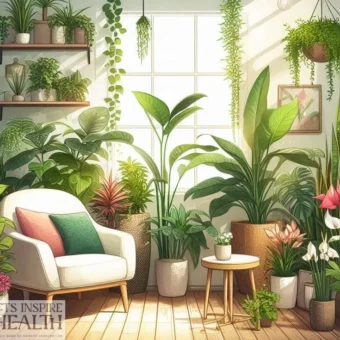
Have you ever walked into a room and instantly felt a sense of calm, a touch of freshness, and a boost of positive energy? Chances are, a beautiful indoor plant played a part in that transformation. Indoor plants aren’t just decorative additions to our homes; they’re powerful tools for enhancing our well-being. Today, we’re diving deep into the wonderful world of air plants – those captivating, low-maintenance beauties that bring a touch of nature indoors with minimal effort. Let’s explore why air plants are a simple yet effective way to elevate your home and, surprisingly, your health.
The Magic of Air Plants: What Are They and Why Are They So Special?
Air plants, scientifically known as *Tillandsia*, are fascinating epiphytes – plants that grow on other plants or surfaces, but don’t derive nutrients from the soil. Instead, they absorb moisture and nutrients from the air through specialized trichomes (tiny, hair-like structures) on their leaves. This unique adaptation makes them incredibly versatile and easy to care for, perfect for beginners and experienced plant lovers alike. Unlike traditional houseplants that require soil, frequent watering, and specific light conditions, air plants can thrive in a surprisingly wide range of environments. They’re available in a stunning variety of shapes, sizes, and colors, from the classic silvery-gray to vibrant blues, greens, and reds. The aesthetic appeal alone is a significant benefit, but the positive effects on air quality and even mental well-being are truly remarkable.
One of the key reasons for their popularity is their adaptability. They can tolerate lower light conditions than many other houseplants, though bright, indirect light is still ideal. They also don’t need to be potted in soil, which reduces the risk of root rot and allows you to showcase their natural beauty. Furthermore, the process of misting them with water is a surprisingly meditative activity, offering a small moment of mindfulness in your busy day. Studies have shown that exposure to plants can reduce stress levels and improve mood, and air plants are a simple way to bring this benefit into your home.
Understanding Air Plant Care: The Essentials
While air plants are relatively low-maintenance, understanding their basic needs is crucial for their health and longevity. Here’s a breakdown of the essentials:
- Watering: This is the most frequent question. Air plants don’t absorb water through their roots; they absorb it through their leaves. There are several methods:
- Misting: This is the simplest method. Mist your air plant thoroughly 2-3 times per week, ensuring all the leaves are saturated.
- Soaking: Submerge your air plant in room-temperature water for 15-30 minutes every 1-2 weeks. This allows the trichomes to fully rehydrate.
- Brushing: Gently brushing the leaves with a soft brush helps remove dust and debris, improving water absorption.
- Light: Bright, indirect sunlight is ideal. Avoid direct sunlight, which can scorch the leaves. East or west-facing windows are typically good choices.
- Air Circulation: Air plants need good air circulation to prevent rot. Avoid placing them in stagnant air.
- Drying: After watering or soaking, gently shake off any excess water and allow the plants to dry completely upside down. This prevents water from accumulating in the base of the leaves, which can lead to rot.
It’s important to note that air plant care can vary slightly depending on the species. Some species, like *Tillandsia usneoides* (Spanish moss), require more frequent soaking than others. Researching your specific air plant species will help you tailor your care routine.
Creative Ways to Display Your Air Plants
The beauty of air plants lies not only in their individual charm but also in the versatility of how you display them. Here are some creative ideas:
- Terrariums: Create a miniature ecosystem in a glass terrarium.
- Driftwood: Secure an air plant to a piece of driftwood for a rustic look.
- Wire Frames: Use wire frames to create unique and artistic displays.
- Macrame Holders: Hang air plants in macrame plant hangers.
- Geometric Structures: Utilize geometric shapes like cubes or spheres to showcase your air plants.
Don’t be afraid to experiment and let your creativity flow! The possibilities are endless. Many online tutorials and DIY guides can provide inspiration and guidance.
The Health Benefits of Air Plants: More Than Just Aesthetics
While the aesthetic appeal of air plants is undeniable, research suggests they may offer several health benefits. Here’s a closer look:
- Air Purification: Air plants can absorb airborne toxins, such as formaldehyde and benzene, improving indoor air quality. While their purification abilities are less dramatic than larger houseplants, they still contribute to a healthier environment.
- Stress Reduction: As mentioned previously, simply being around plants has a calming effect. The visual beauty of air plants can reduce stress and promote relaxation.
- Improved Mood: Exposure to greenery has been linked to improved mood and increased feelings of well-being.
- Increased Productivity: Studies have shown that plants can boost productivity and concentration.
It’s important to note that the health benefits of air plants are often subtle and cumulative. However, incorporating them into your home can contribute to a healthier and more harmonious living environment.
Maintaining Your Air Plants: Troubleshooting Common Issues
Even with proper care, air plants can sometimes encounter issues. Here’s how to troubleshoot common problems:
- Brown Leaf Tips: This is often caused by insufficient water or dry air. Increase watering frequency or improve air circulation.
- Rotting Base: This is caused by water accumulating at the base of the plant. Ensure the plant is drying completely upside down after watering.
- Lack of Color: Some air plants naturally have muted colors. However, if the color is fading significantly, it could be a sign of nutrient deficiency.
Regular observation and attentive care are key to keeping your air plants thriving.
Summary
Air plants offer a beautiful and surprisingly beneficial addition to any home. Their unique appearance, low-maintenance care, and potential health benefits make them a truly captivating choice for plant lovers. By understanding their basic needs and providing a few simple care tips, you can enjoy the beauty and tranquility of these remarkable plants for years to come. Embrace the simplicity and wonder of air plants – a small investment in nature can yield a significant return in terms of well-being and aesthetic delight.
Disclaimer: *This blog post provides general information about air plants and their care. However, it is not a substitute for professional advice. If you have any health concerns or are unsure about caring for your air plants, consult with a qualified horticulturalist or healthcare professional. We are not responsible for any adverse effects resulting from the use of this information.*