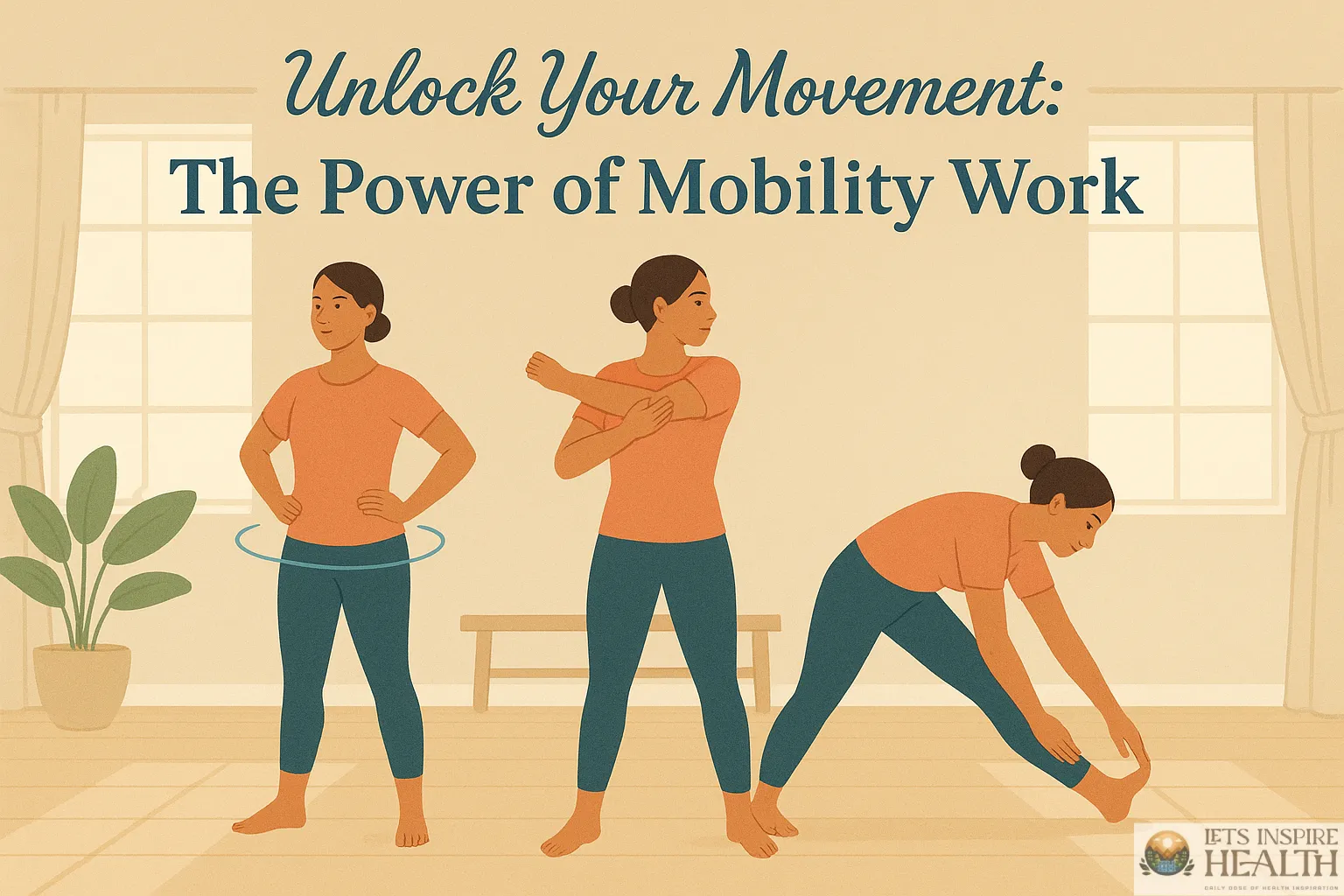
Have you ever felt stiff, achy, or just generally “off”? It’s a surprisingly common experience, and often, the solution isn’t a quick fix or a brand-new supplement. Instead, the key to unlocking a greater sense of well-being might be surprisingly simple: movement. Specifically, mobility work. Mobility isn’t just about stretching; it’s about restoring the natural movement patterns within your joints and tissues. This blog post will delve into the incredible power of mobility work, exploring its benefits, how to incorporate it into your routine, and what to expect along the way.
Understanding Mobility vs. Flexibility
Let’s address a common misconception right away: mobility is often confused with flexibility. While they’re related, they’re not the same. Flexibility refers to the *range of motion* around a joint. It’s about how far you can stretch a muscle. Mobility, on the other hand, is about the *control* you have within that range of motion. You can be incredibly flexible in a hamstring stretch, but if you can’t efficiently and safely move through that stretch, you lack mobility. Think of it this way: flexibility is about *what* you can do, and mobility is about *how* you do it.
Poor mobility can stem from several factors, including prolonged sitting, lack of movement, injury, and even age. When we sit for extended periods, our joints and muscles become tight, reducing our natural range of motion. This can lead to pain, stiffness, and decreased performance in daily activities. Conversely, improved mobility can enhance posture, reduce pain, and increase overall functional movement.
The Benefits of Mobility Work
The advantages of incorporating mobility work into your routine are numerous and well-documented. Here’s a breakdown of some key benefits:
- Reduced Pain & Stiffness: Mobility exercises can effectively alleviate pain and stiffness in areas like the neck, shoulders, hips, and lower back. By restoring proper joint mechanics, you can reduce stress on nerves and tissues.
- Improved Posture: Tight muscles contribute significantly to poor posture. Mobility work helps to lengthen and release these muscles, promoting a more natural and upright posture.
- Increased Range of Motion: Regular mobility work gradually increases your joint range of motion, making everyday activities easier and more comfortable.
- Enhanced Athletic Performance: For athletes, mobility is crucial for optimal performance. It improves power output, agility, and reduces the risk of injury.
- Boosted Circulation: Movement, including mobility work, increases blood flow, delivering oxygen and nutrients to tissues and helping to remove waste products.
- Stress Reduction: Movement releases endorphins, which have mood-boosting effects and can help reduce stress and anxiety.
Studies have shown that consistent mobility work can have a significant impact on chronic pain conditions like osteoarthritis and fibromyalgia. For example, a study published in the *Journal of Bodywork and Movement Therapies* found that a 12-week mobility program significantly reduced pain and improved function in individuals with chronic lower back pain.
Types of Mobility Exercises
There are many different types of mobility exercises you can incorporate into your routine. Here are a few examples:
- Joint Rotations: These involve moving each joint through its full range of motion. Examples include shoulder circles, hip circles, and ankle rotations.
- Thoracic Spine Mobility: This focuses on improving movement in the upper back, which is often restricted due to sitting. Exercises include the cat-cow stretch, thoracic rotations, and foam rolling.
- Hip Mobility: Exercises like the pigeon stretch, figure-four stretch, and dynamic hip circles can improve hip mobility and reduce stiffness.
- Hamstring Mobility: The hamstring curl with a resistance band, or dynamic leg swings can improve hamstring flexibility and mobility.
- Foam Rolling: Using a foam roller to self-massage tight muscles can release tension and improve mobility.
It’s important to start slowly and gradually increase the intensity and duration of your mobility work. Listen to your body and stop if you experience any pain. A good starting point is 10-15 minutes of mobility work, 3-5 times per week.
Creating a Mobility Routine
Here’s a sample mobility routine you can adapt to your own needs and preferences:
- Warm-up (2-3 minutes): Light cardio, such as walking or jogging in place.
- Thoracic Spine Mobility (5-10 minutes): Cat-cow stretch, thoracic rotations, foam rolling.
- Hip Mobility (5-10 minutes): Pigeon stretch, figure-four stretch, dynamic hip circles.
- Hamstring Mobility (5-10 minutes): Hamstring curls with a resistance band.
- Cool-down (2-3 minutes): Gentle stretching.
Don’t be afraid to experiment and find what works best for you. You can create a routine that focuses on specific areas of your body or that addresses particular movement limitations. Consistency is key – even a short, regular mobility routine is more effective than a long, infrequent one.
Important Considerations & Precautions
Before starting any new exercise program, including mobility work, it’s essential to consult with your doctor or a qualified healthcare professional. This is especially important if you have any underlying health conditions, such as arthritis, osteoporosis, or previous injuries.
Here are a few additional precautions to keep in mind:
- Listen to Your Body: Pay attention to any pain or discomfort you experience and stop if necessary.
- Proper Form: Maintain proper form throughout each exercise to avoid injury.
- Gradual Progression: Increase the intensity and duration of your mobility work gradually.
- Warm-up Before Stretching: Always warm up your muscles before stretching.
Finally, remember that mobility is a lifelong journey. By incorporating mobility work into your daily routine, you can unlock a greater sense of well-being and enjoy a more active and fulfilling life.
Summary
Mobility work is a powerful tool for improving movement, reducing pain, and enhancing overall well-being. By understanding the principles of mobility and incorporating a regular routine into your life, you can unlock your body’s natural movement potential. Start slowly, listen to your body, and enjoy the journey towards a more mobile and healthy you.
Disclaimer: This blog post is intended for informational purposes only and does not constitute medical advice. It is essential to consult with a qualified healthcare professional before starting any new exercise program or making any changes to your health regimen. The information provided here should not be used as a substitute for professional medical advice, diagnosis, or treatment. We are not responsible for any adverse effects resulting from the use of this information. If you are experiencing any health concerns, please seek immediate medical attention.