Do you ever feel like you’re “doing nothing” yet still sluggish, tired, and maybe even a little stressed? The truth is, we spend a huge chunk of our day sitting – at work, commuting, relaxing at home. But what if I told you that the key to unlocking more energy, improving your health, and boosting your mood could be found in simply moving more throughout the day, even in small ways? This is where Non-Exercise Activity Thermogenesis, or NEAT, comes into play. Let’s dive into the surprising power of everyday movement and how you can harness it for significant results.
Understanding NEAT: More Than Just Counting Steps
NEAT refers to the calories you burn through activities that aren’t structured exercise, like walking to the store, fidgeting, taking the stairs, or even standing instead of sitting. Traditionally, we’ve focused almost exclusively on cardiovascular exercise and strength training when it comes to burning calories and improving our health. However, research increasingly shows that NEAT contributes significantly – often a larger percentage – to our overall energy expenditure. Initially, the concept was largely overlooked, but recent studies, particularly those examining the health impacts of prolonged sitting, have highlighted its importance. The average adult spends over 8 hours a day sitting, and this has a cascade of negative effects on our bodies. It’s not just about the calories burned; it’s about the physiological changes that occur when we’re sedentary.
Think about it this way: Spending hours on the treadmill is fantastic, but what about the extra steps you take while unloading the dishwasher? Those small movements add up. The human body is designed for movement. Our ancestors spent their days actively foraging, building, and moving – this natural state is inherently linked to optimal health. Modern lifestyles have largely stripped us of this natural activity, leading to a decline in our metabolic rate and overall well-being. The good news is, reintroducing movement into our daily routines doesn’t require a grueling workout; it’s about making conscious choices.
The Science Behind NEAT – What’s Actually Happening in Your Body?
The effects of NEAT extend far beyond just calorie burning. When we move, even in small increments, our bodies respond in several positive ways. Firstly, it stimulates mitochondrial biogenesis – the creation of new mitochondria within our cells. Mitochondria are the “powerhouses” of our cells, responsible for converting food into energy. Increasing mitochondrial numbers improves cellular energy production and efficiency. Secondly, NEAT promotes increased fat oxidation – the process of burning fat for fuel. Studies have shown that even short bursts of movement can significantly shift your body’s energy source from glucose to fat, which is particularly beneficial for weight management and metabolic health.
Furthermore, NEAT influences the autonomic nervous system. Prolonged sitting activates the sympathetic nervous system (the “fight or flight” response), leading to elevated cortisol levels (a stress hormone) and increased inflammation. Adding movement helps to shift the balance towards the parasympathetic nervous system (the “rest and digest” response), promoting relaxation, reducing stress, and improving mood. Research published in the journal *PLOS ONE* demonstrated that increasing NEAT by just 17 minutes per day resulted in a noticeable reduction in metabolic risk factors, including improved blood sugar control and reduced blood pressure. The impact is cumulative; each little bit adds up.
Practical Ways to Increase Your NEAT – Small Changes, Big Results
Okay, so you’re convinced – NEAT matters. But how do you actually increase it? The beauty of NEAT is that it doesn’t require a huge commitment. Here are some actionable strategies you can incorporate into your daily life:
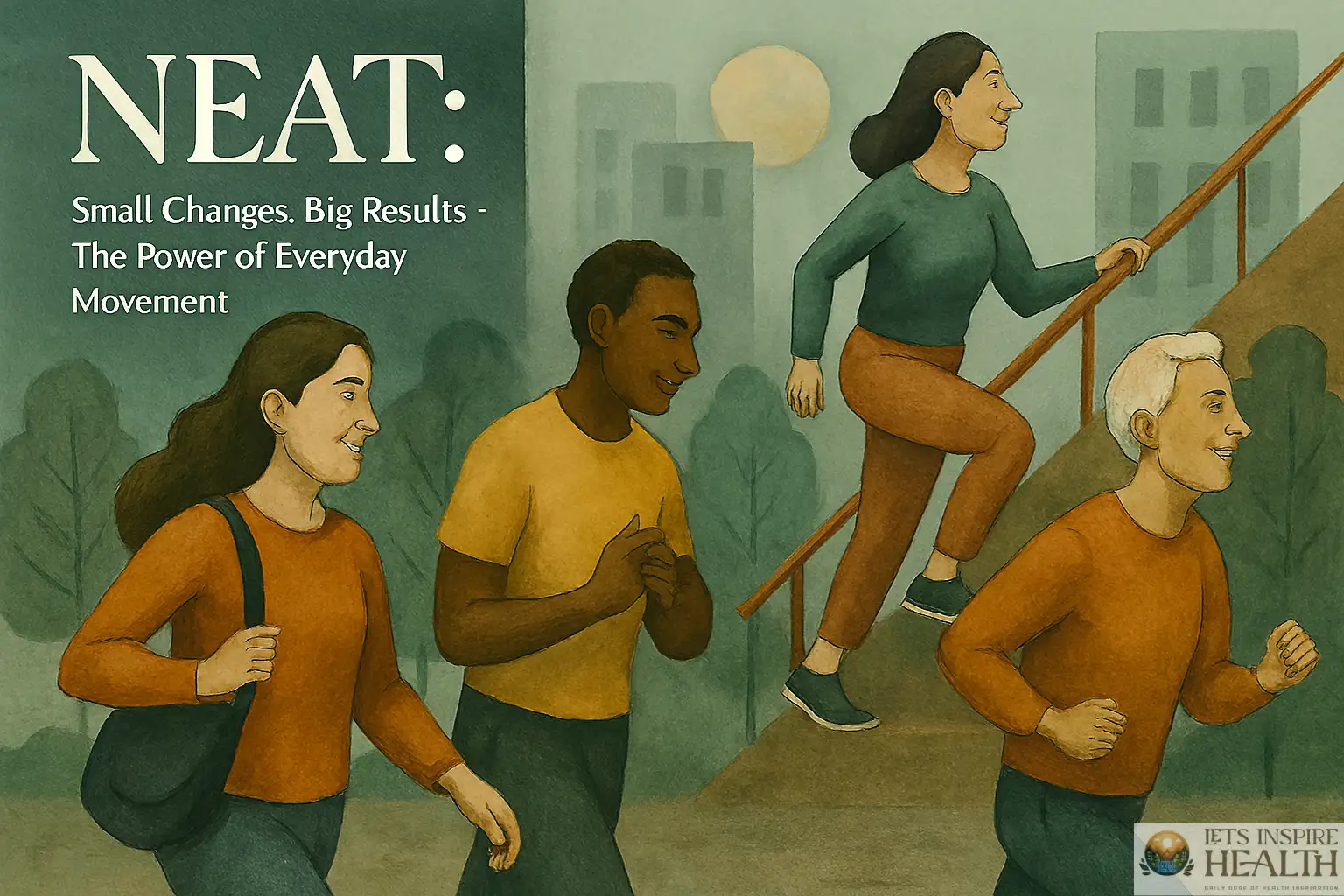
- Take the Stairs: This is the easiest and most immediate way to increase your NEAT. Even just swapping the elevator for the stairs a few times a day makes a difference.
- Stand While You Work: If your job allows, invest in a standing desk or take frequent breaks to stand and move around.
- Fidget! Seriously, fidgeting is movement! Tap your feet, doodle, play with a pen – anything to keep you moving.
- Walk During Phone Calls: Instead of sitting while you talk on the phone, pace around your home or office.
- Park Further Away: When running errands, park your car further away from the entrance to increase your walking distance.
- Household Chores: Turn up the music and put some energy into your chores – cleaning, gardening, etc.
- Micro-Breaks: Set a timer for every 30-60 minutes and get up to move around for 5-10 minutes.
The key is to find small, sustainable changes that you can easily incorporate into your routine. Don’t try to overhaul your entire lifestyle overnight. Start with one or two strategies and gradually build from there. Aim for a cumulative increase of at least 1,000 steps per day – a simple goal that’s achievable for most people.
The Benefits Beyond Calories – The Wider Impact of NEAT
Increasing your NEAT isn’t just about weight loss (although it can certainly contribute to that). The benefits extend far beyond just calorie burning. Here’s a breakdown of the wider impact:
- Improved Mood & Mental Health: As mentioned earlier, NEAT positively impacts the nervous system, reducing stress and promoting a sense of well-being.
- Reduced Risk of Chronic Diseases: Regular movement, even at low intensity, helps to prevent or manage conditions like type 2 diabetes, heart disease, and certain types of cancer.
- Stronger Bones & Muscles: Even small movements contribute to maintaining bone density and muscle mass, especially important as we age.
- Increased Energy Levels: Ironically, more movement often leads to *more* energy, not less.
- Better Sleep: Regular physical activity, including NEAT, can improve sleep quality.
Research consistently demonstrates that a combination of structured exercise and increased NEAT is the most effective approach to achieving optimal health and fitness. Don’t underestimate the power of small, everyday movements – they can have a profound impact on your overall well-being.
Conclusion – Embrace the Power of Everyday Movement
NEAT is a powerful, often overlooked, component of a healthy lifestyle. By consciously incorporating more movement into our daily routines, we can reap a multitude of benefits, from improved mood and mental health to a reduced risk of chronic diseases. It’s not about achieving extreme fitness levels; it’s about making small, sustainable changes that can have a significant impact over time. Start small, be consistent, and embrace the power of everyday movement – your body will thank you for it. Remember, even the smallest steps can lead to the biggest results.
Disclaimer: This blog post provides general information about NEAT and its potential benefits. It is not intended as a substitute for professional medical advice. If you have any health concerns or are considering making changes to your lifestyle, consult with a qualified healthcare provider. We encourage you to prioritize your individual health needs and seek personalized guidance from a doctor or other qualified professional.